


Accueil >
Retirement Home > Retirement Home's Activities in Canada
Retirement homes are places of comfort and companionship, and increasingly, pets are playing a central role in the well-being of their residents. The incorporation of pets and animal-assisted therapy is not only heartwarming but also deeply beneficial. It brings a dose of joy, comfort, and therapeutic magic that significantly enriches the lives of seniors living in these communities.
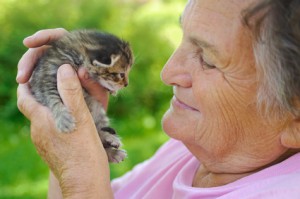 The power of animal-assisted therapy
Animal-assisted therapy is a well-documented and widely appreciated practice, and it's making a profound impact in retirement homes. Dogs, cats, rabbits, and even miniature horses are being invited into these communities to provide therapeutic companionship. Interacting with these gentle animals has been shown to reduce stress, anxiety, and depression in seniors. The mere presence of a furry friend can lower blood pressure and elevate residents' moods, leading to an improved overall sense of well-being.
Ask questions regarding retirement homes to our experts
One of the remarkable effects of animal therapy is its ability to foster social interaction among residents. Seniors often bond over their shared love of animals, and this camaraderie extends beyond the petting and playtime. These interactions lead to meaningful friendships and shared experiences, ultimately reducing feelings of loneliness and isolation.
Retirement homes are reimagining recreation by incorporating animal-assisted activities into their calendars. Pet parades, dog shows, and animal-themed events are becoming a regular feature. These activities not only entertain but also offer an opportunity for residents to actively participate and engage with animals in a fun and lighthearted way.
Many retirement homes now allow residents to have their own pets. For those who have had furry or feathered companions for many years, this arrangement provides a sense of home and continuity. Pet owners often find solace and joy in the company of their beloved animals, and their pets, in turn, serve as a source of comfort and unconditional love.
In the golden years, it's the little things that bring the most joy. The antics of a playful kitten, the wagging tail of a loyal dog, or the soft purring of a contented cat can provide immeasurable happiness to seniors. Animal therapy goes beyond reducing stress; it instills a sense of purpose and a reason to look forward to each day.
In conclusion, pets and animal-assisted activities are making retirement homes even more enriching and vibrant places to live. The roles of these furry and feathered friends extend far beyond simple companionship; they offer emotional support, foster friendships, and bring immense joy to the lives of residents. By welcoming animals into the community, retirement homes are ensuring that the golden years truly shine with warmth and affection.
| Animal-Assisted Activity | Benefits for Seniors |
|---|---|
| Therapy Animal Visits | Interactions with dogs, cats, rabbits, and other therapy animals can provide companionship, reduce stress and anxiety, and improve residents' mood. |
| Petting & Interaction Sessions | Spending time touching, petting, and interacting with animals provides comfort, emotional stimulation, and opportunities for relaxation. |
| Group Animal Activities | Shared interactions with animals encourage conversation between residents, strengthen friendships, and help reduce loneliness and social isolation. |
| Pet Parades & Animal Events | Dog shows, pet parades, and animal-themed events provide entertainment while encouraging residents to participate in community activities. |
| Personal Pets | In pet-friendly retirement homes, residents may be able to keep their own animals, providing continuity, companionship, comfort, and a greater sense of home. |
| Animal Companionship | Regular contact with animals can bring joy to daily life and provide residents with affection, emotional support, and a sense of purpose. |
We are here to help you choose a retirement home or facility best suited to your needs. Do not hesitate to contact us at the following number: 343 309 5289.
Animal-assisted therapy involves structured interactions between seniors and animals such as dogs, cats, rabbits, or miniature horses. In retirement homes, these interactions can provide companionship, emotional support, stimulation, and opportunities for social engagement.
Animal-assisted therapy can help reduce stress, anxiety, and feelings of depression while improving mood and overall well-being. Spending time with animals can also provide comfort, companionship, and meaningful daily activities for retirement home residents.
Yes. Animals can encourage residents to interact with one another and create opportunities for conversation and shared experiences. Group activities involving animals can help strengthen social connections and reduce feelings of loneliness and isolation.
Dogs and cats are commonly involved in animal-assisted activities, but other animals such as rabbits and miniature horses may also participate depending on the retirement home's facilities, programs, and safety requirements.
Some retirement homes allow residents to keep personal pets, although policies vary between facilities. Before choosing a retirement home, residents should ask about pet policies, including permitted animals, care responsibilities, restrictions, and any additional fees.
Animal-assisted therapy in retirement homes enhances seniors’ emotional, physical, and social well-being. Through interactions with therapy animals and personal pets, residents experience reduced stress, improved mood, and increased social engagement. These programs create joyful daily moments, foster meaningful connections, and provide a comforting sense of companionship that enriches life in retirement communities.

Find a suitable senior residence
